
The Garden State gets fourth highest amount of federal funds for Medicaid services in schools
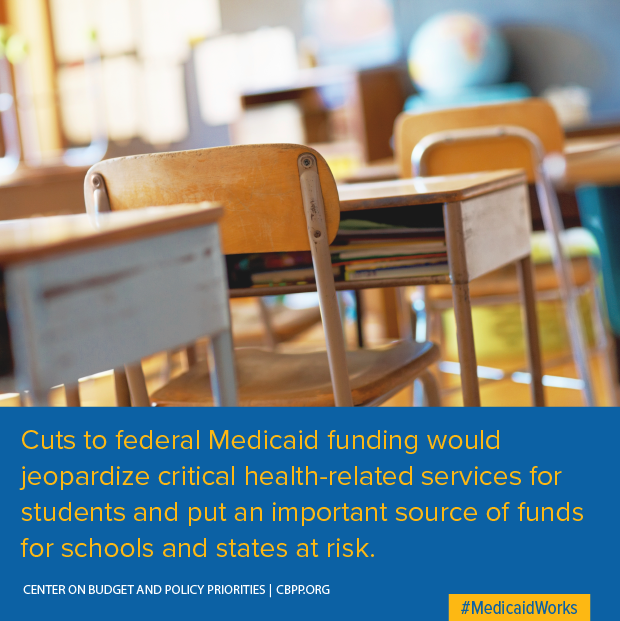 New Jersey’s schools receive $143 million in federal Medicaid funds each year, the fourth highest of the states, according to data released today by the Washington, DC-based Center on Budget and Policy Priorities.
This funding pays for medical services for Medicaid-eligible students with disabilities, such as mental health and speech therapy. It also covers vision and dental screenings provided in schools to Medicaid-eligible children, and helps schools connect low-income children to other health care services that aren’t provided in schools, but are critical to a child’s development. But this aspect of Medicaid is not widely known, with the program being much better known for providing affordable and comprehensive health care coverage for millions of seniors, people with disabilities and children across the country.
House Republicans’ plans to dramatically cut Medicaid funding puts these crucial services – in addition to health care for nearly half a million New Jerseyans – at risk.
Medicaid funding helps schools pay the salaries of health care and other staff who provide important services to students, not just those with Medicaid coverage. In 2017, 68 percent of school superintendents reported that they used Medicaid funding to keep school nurses, school counselors, speech therapists, and other health professionals on staff. Any cuts to Medicaid could jeopardize the benefits these health care professionals provide.
Medicaid funding cuts also could squeeze New Jersey’s education budget, impeding efforts to help schools implement proven reforms such as hiring and retaining excellent teachers, reducing class sizes, and expanding the availability of high-quality early education — keys to helping all children thrive in school.
All but one of New Jersey’s bipartisan Congressional delegation has publicly opposed this push to repeal the Affordable Care Act and cut Medicaid, because of the harm it’d bring to their constituents. This new data makes it even clearer: policymakers in Washington should protect Medicaid – not cut it.