
Human connection is a fundamental need. Whether it’s parents expressing love to their children or spouses checking in on each other, maintaining relationships sustains us all. This need for connection is no different for individuals incarcerated in New Jersey’s prisons. For them, a simple phone call can be a vital lifeline — fostering hope, encouraging positive behavior, and supporting rehabilitation. Regular contact with loved ones has also been shown to reduce recidivism. Yet, despite the importance of connection with the outside world, communication is increasingly out of reach for individuals incarcerated in New Jersey due to the exorbitant fees collected by private, for-profit telecommunication companies that hold monopoly contracts with corrections agencies.
It does not have to be this way. New Jersey can join the growing number of state and local governments recognizing the importance of family connections by eliminating barriers to communication. Making phone calls free for incarcerated people and their loved ones would ensure all have access to this basic need.
Currently, New Jersey contracts with private companies to provide communication services in prisons. These companies generate millions of dollars in revenue by charging families exorbitant fees for phone calls, video calls, and messages. As a result, incarcerated individuals and their families pay a staggering $15 million annually to stay in touch.
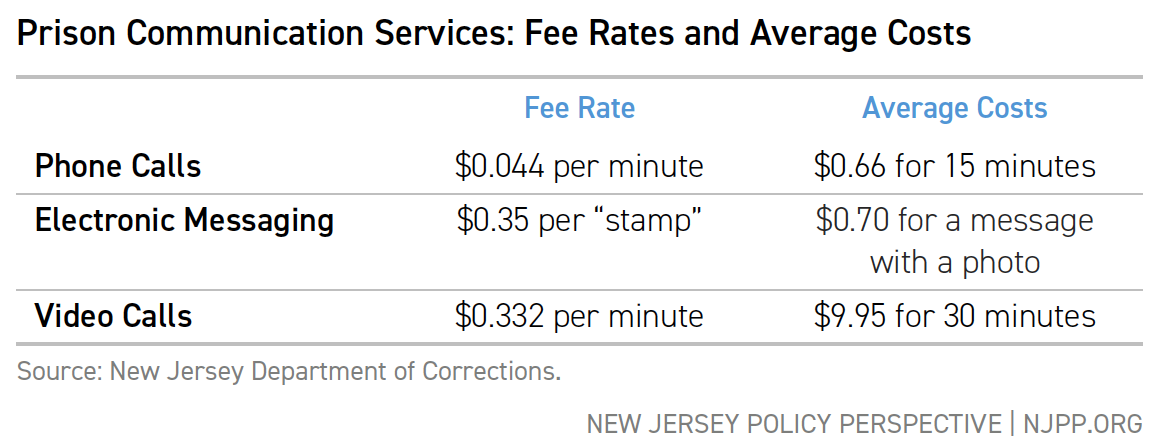
The burden of these costs disproportionately falls on families, as prison wages are abysmally low — with most workers earning up to $3.00 per day. Nationally, one in three families with an incarcerated loved one falls into debt trying to cover the costs of communication. Among those bearing these costs, 83 percent are women, with women of color hit hardest due to racial disparities in the criminal legal system.
Accessible and affordable prison communications are vital for family connections, supporting human dignity, and ensuring successful reentry after incarceration. By eliminating predatory communication fees, New Jersey can keep families connected and put an end to unjust practices that cost families millions annually. It’s time for New Jersey to prioritize connection over profit.